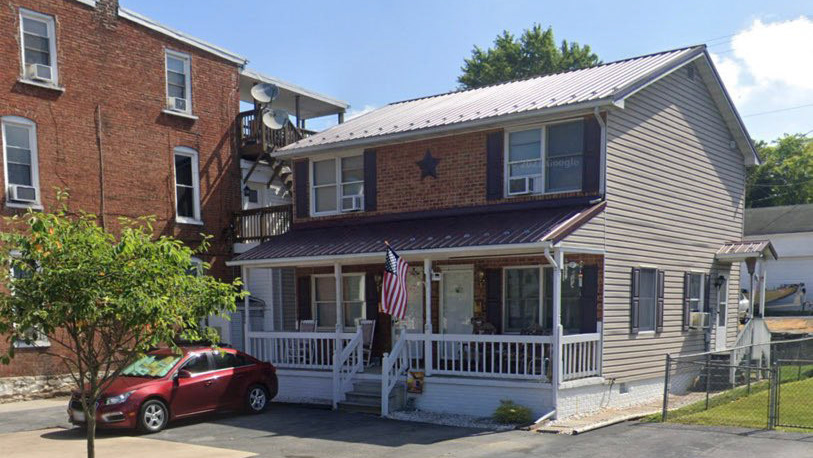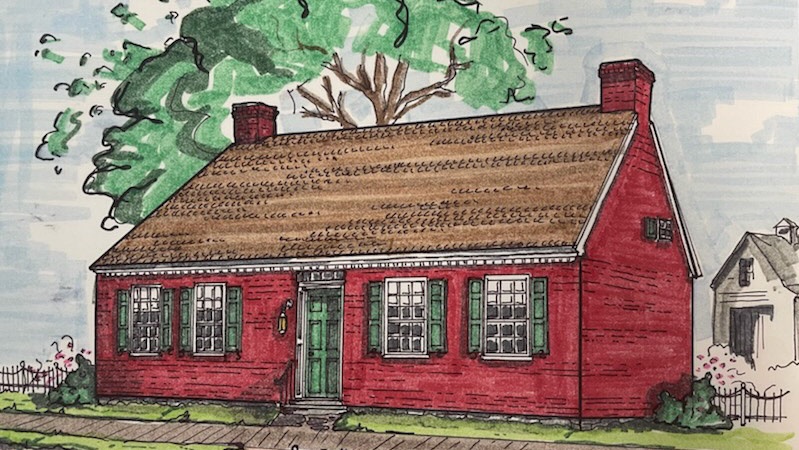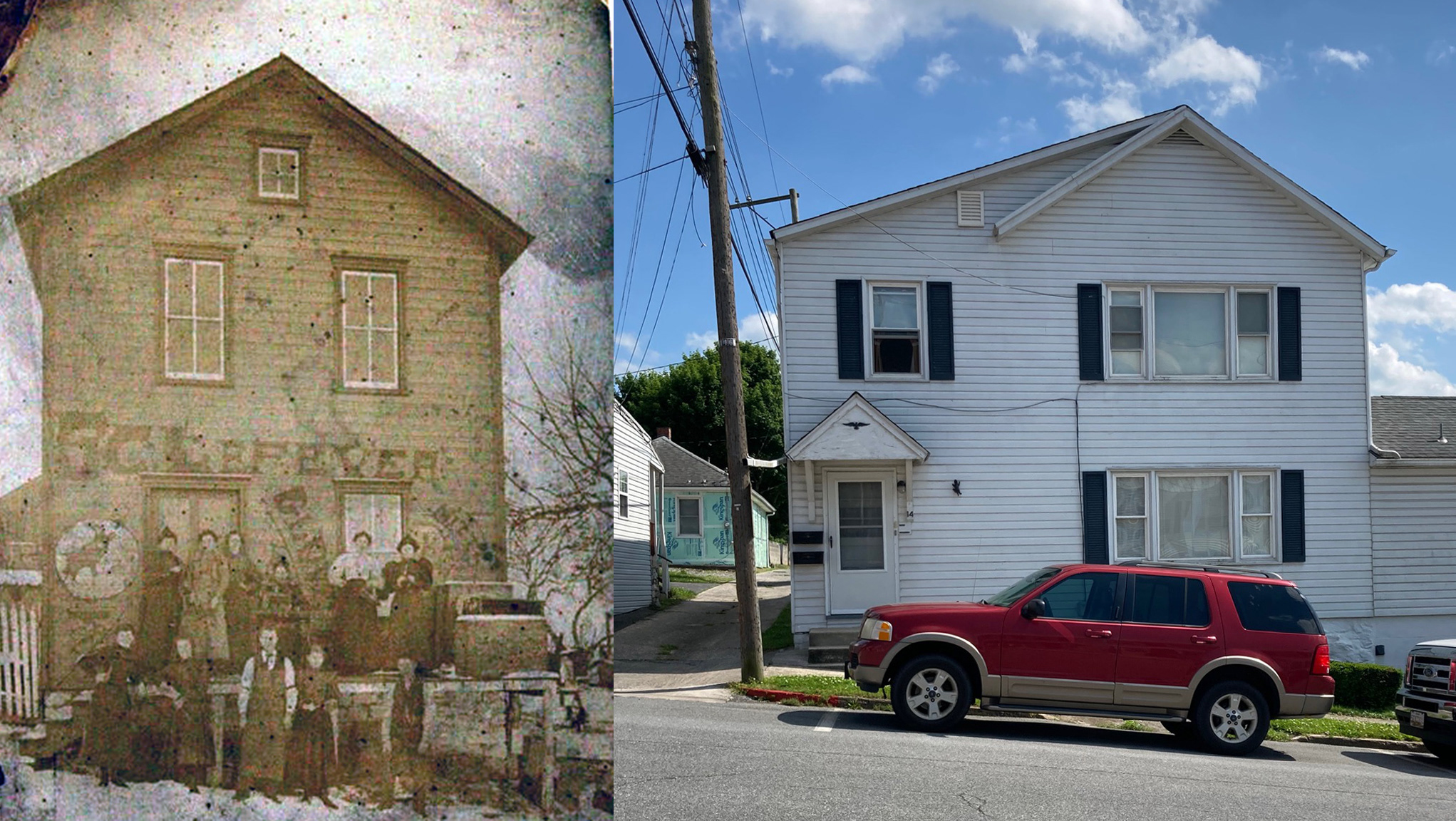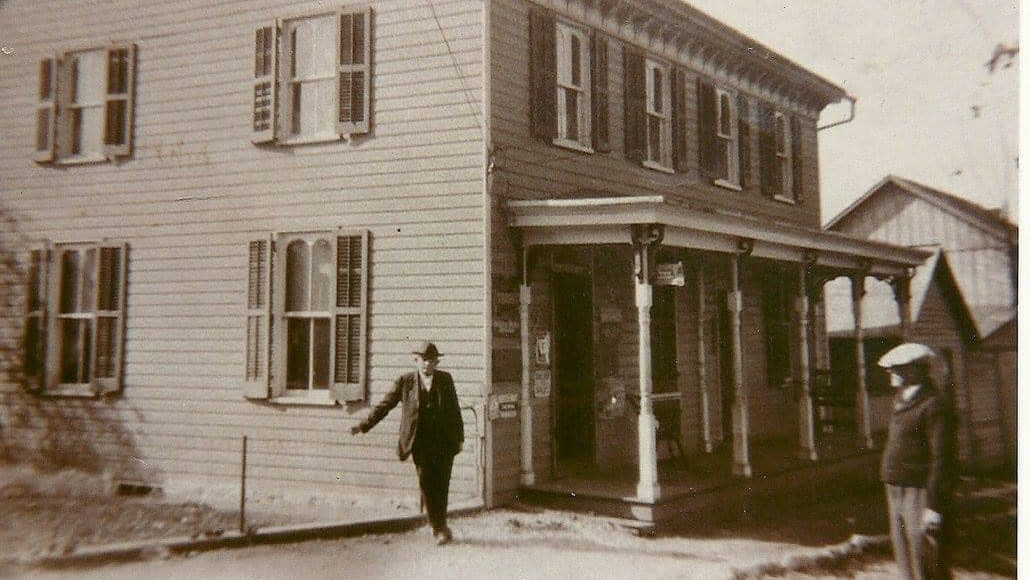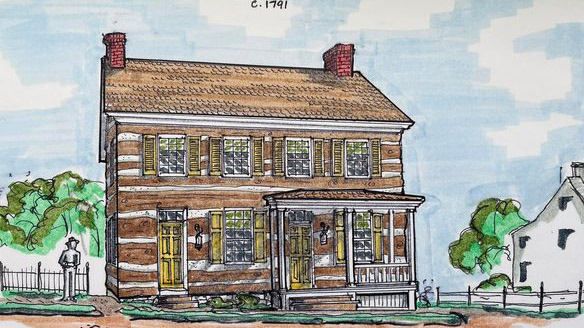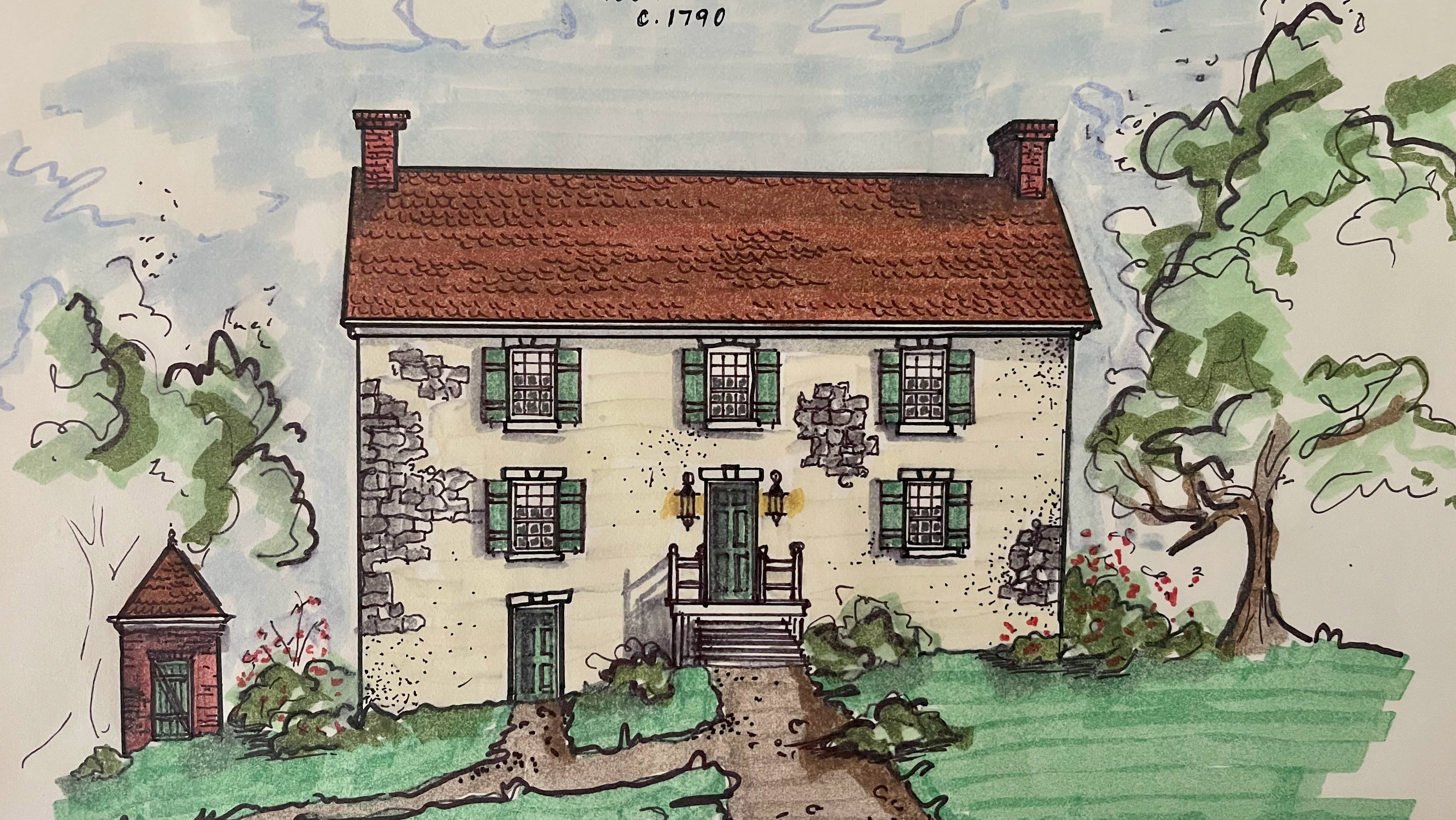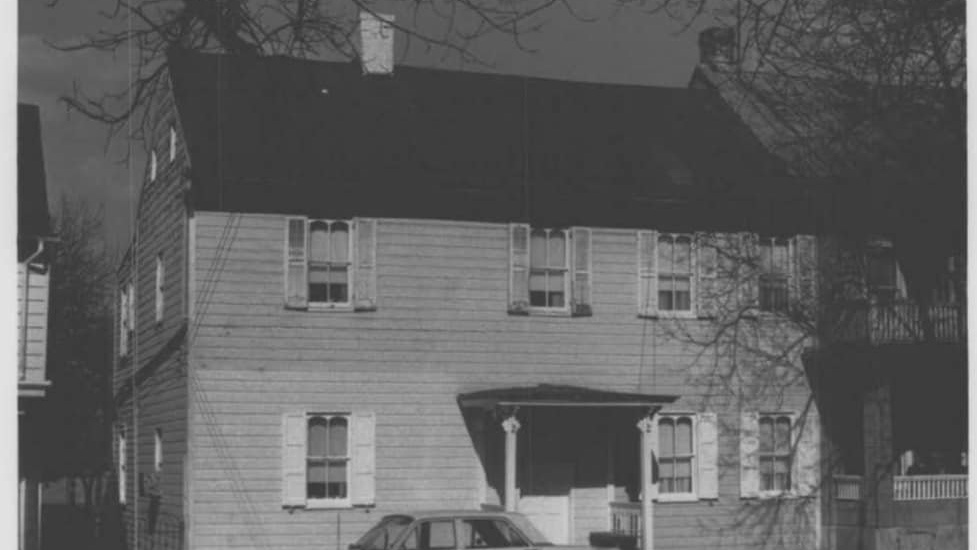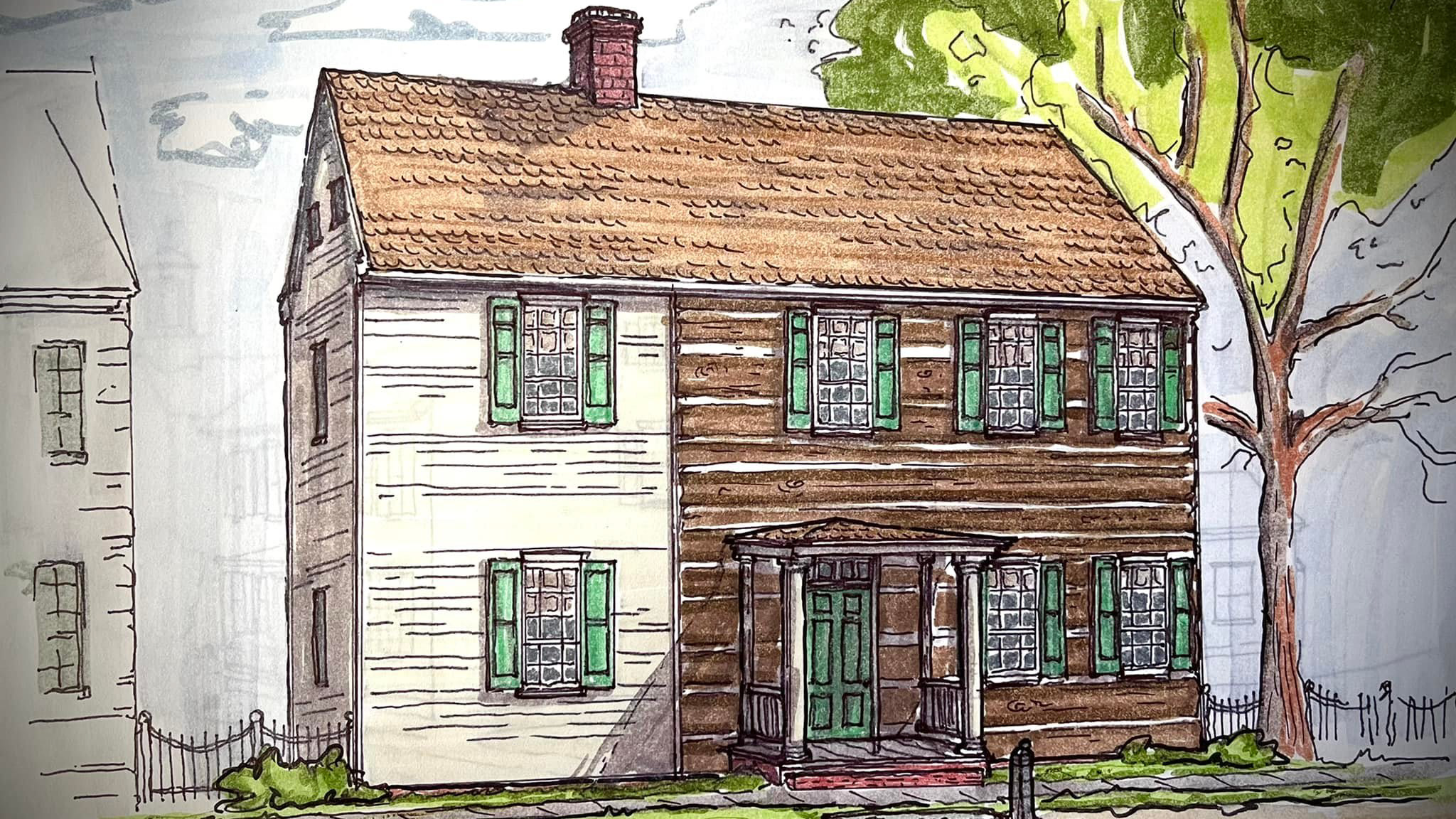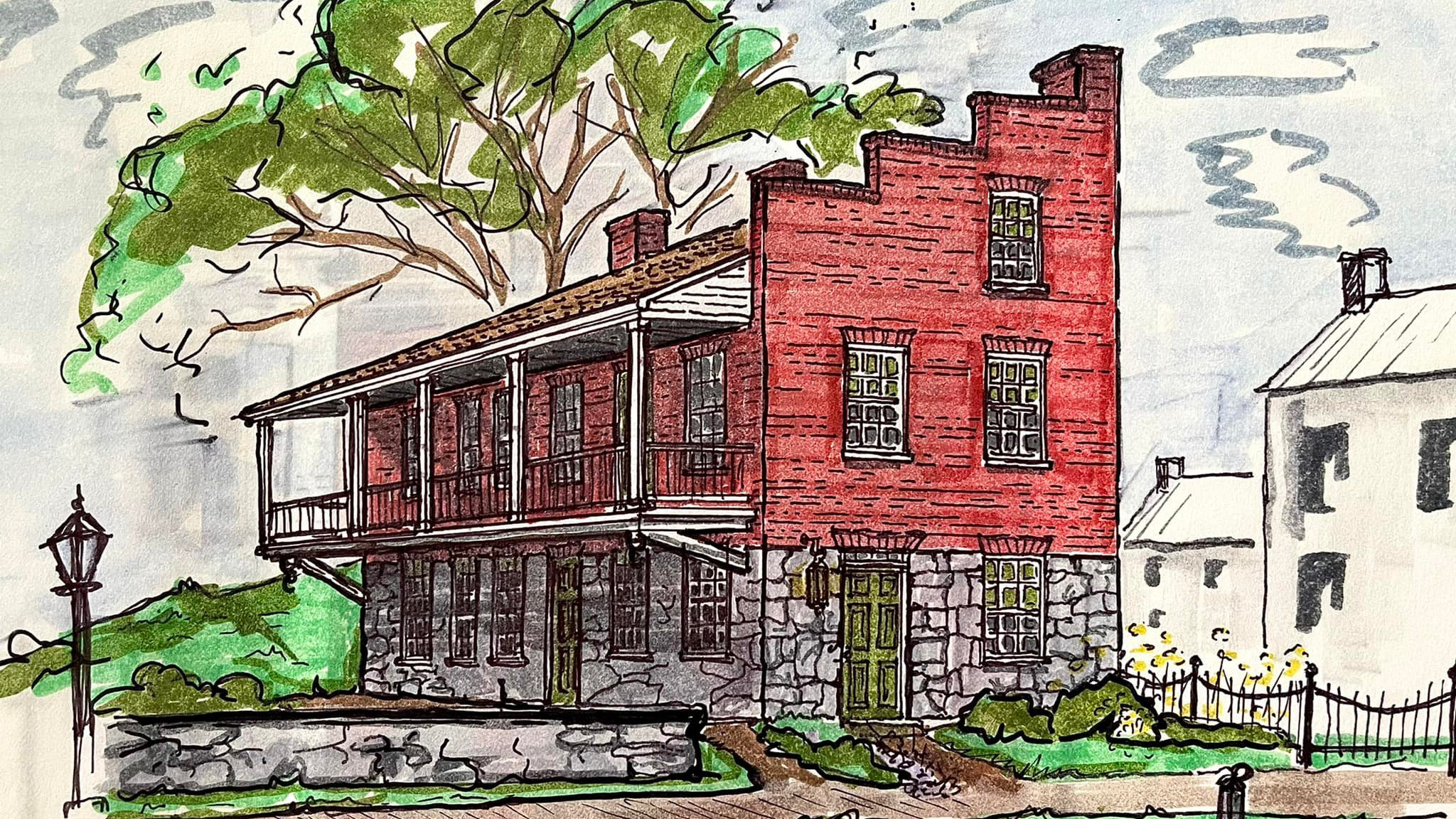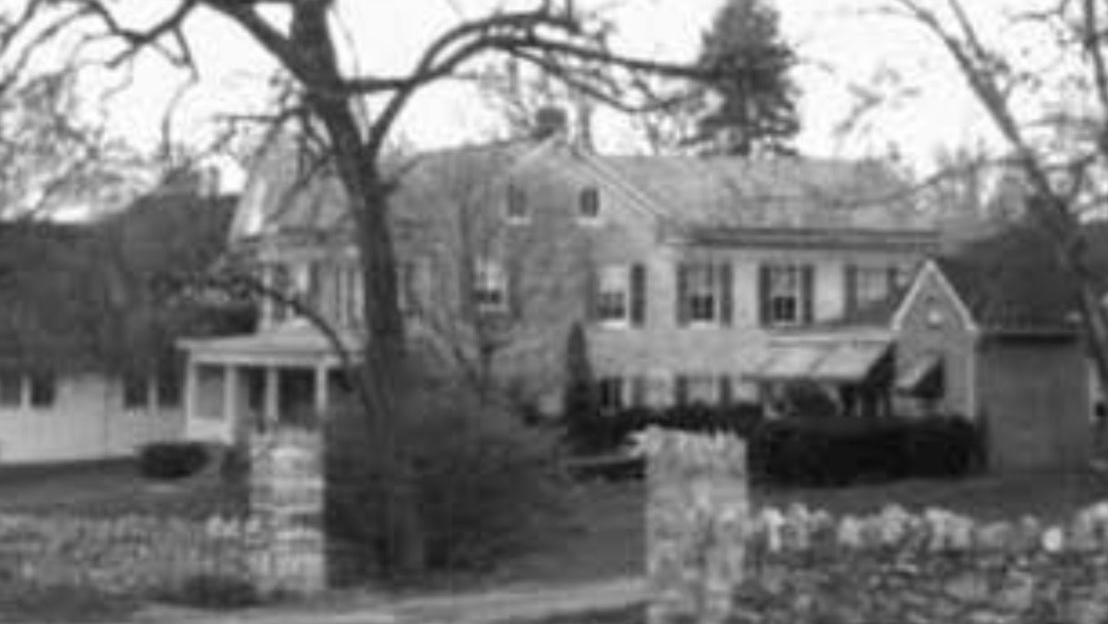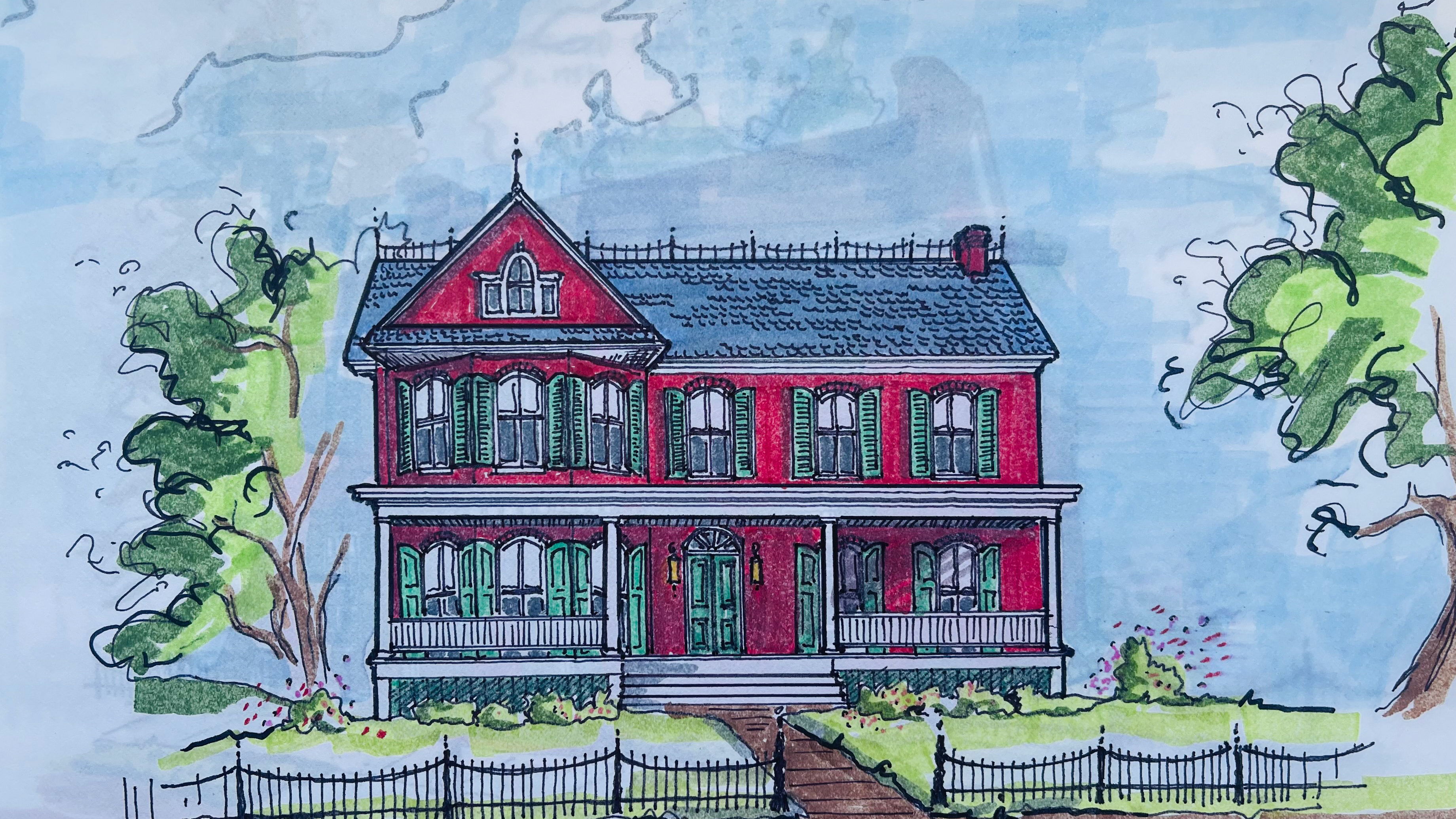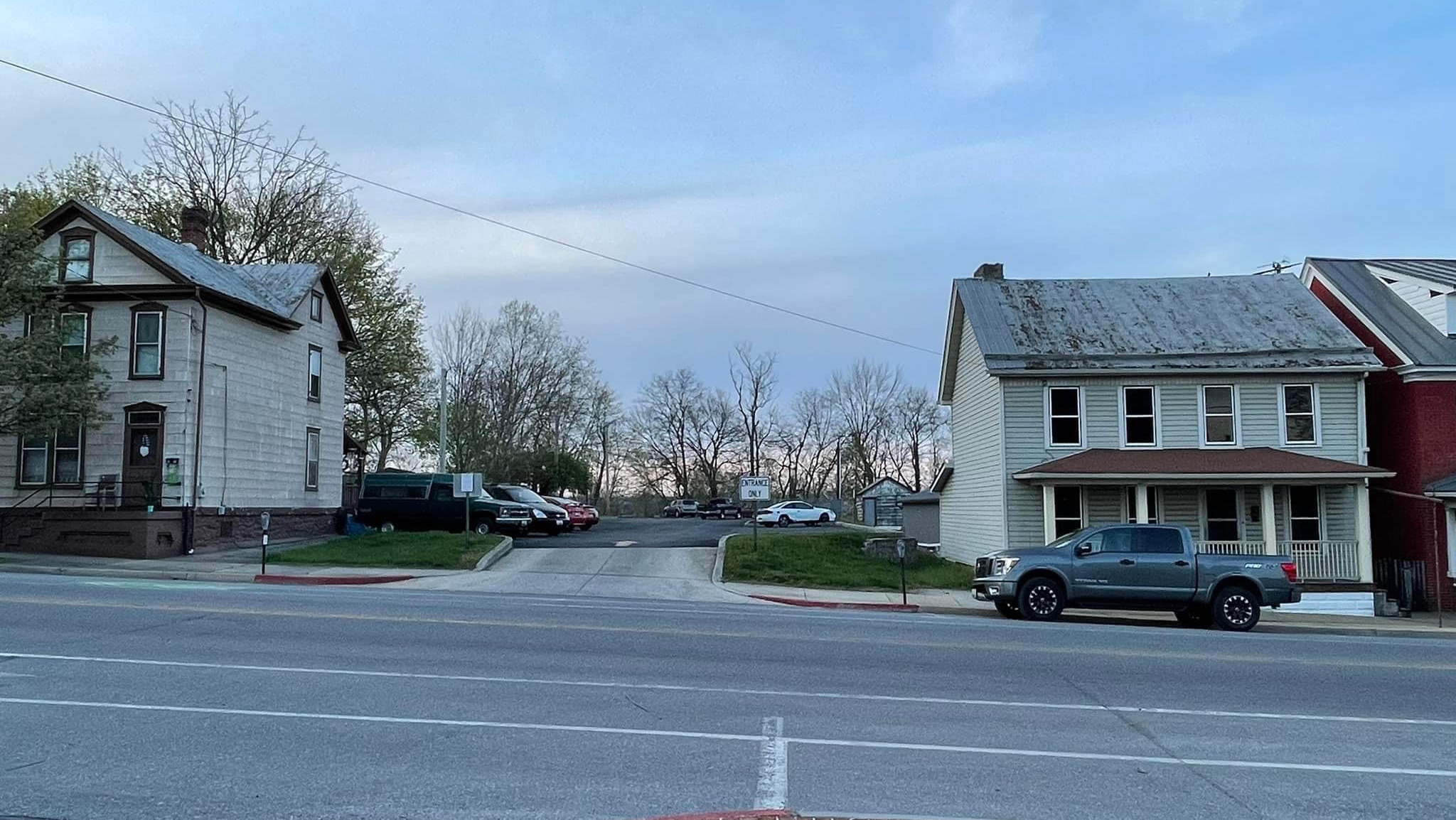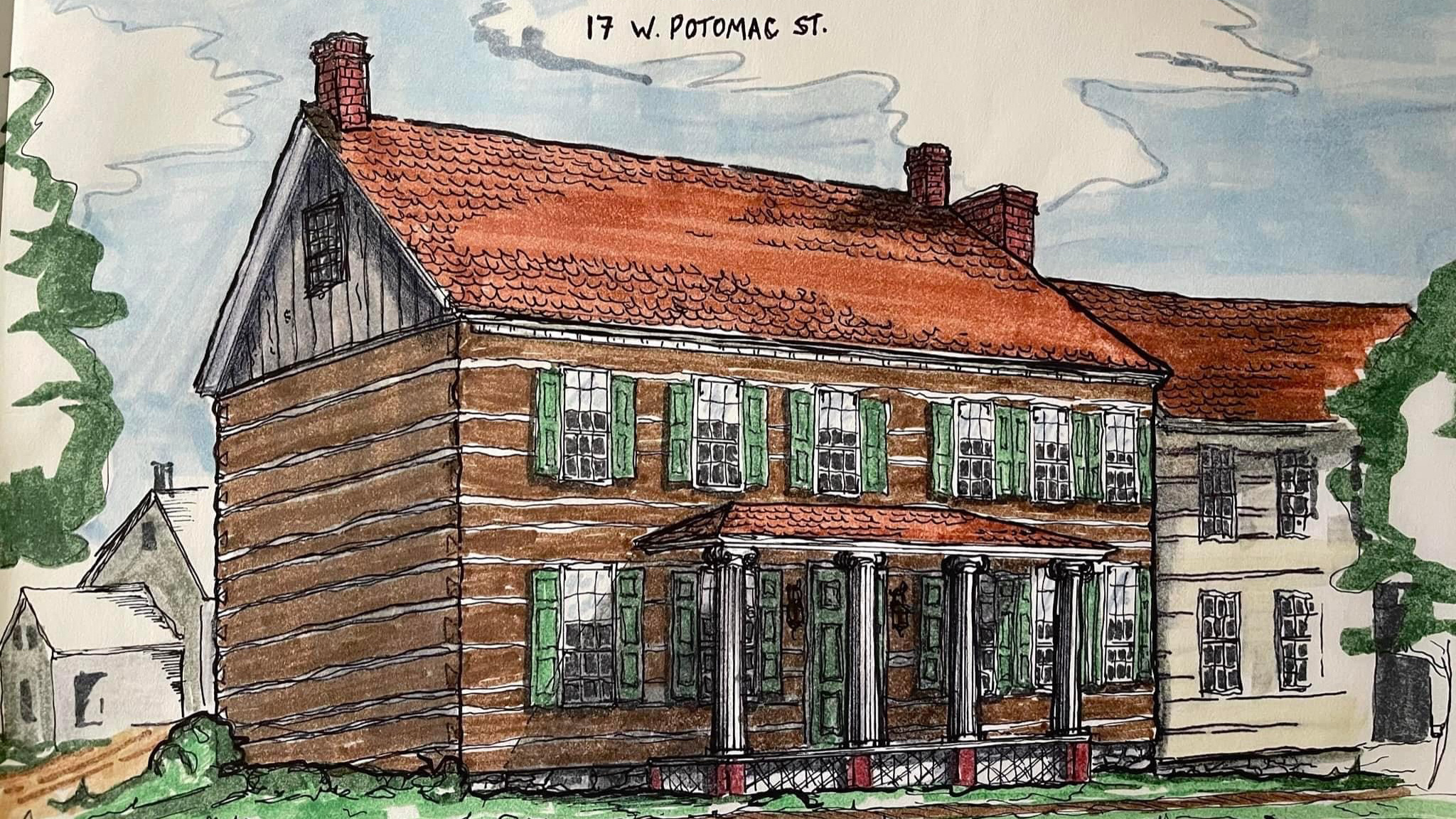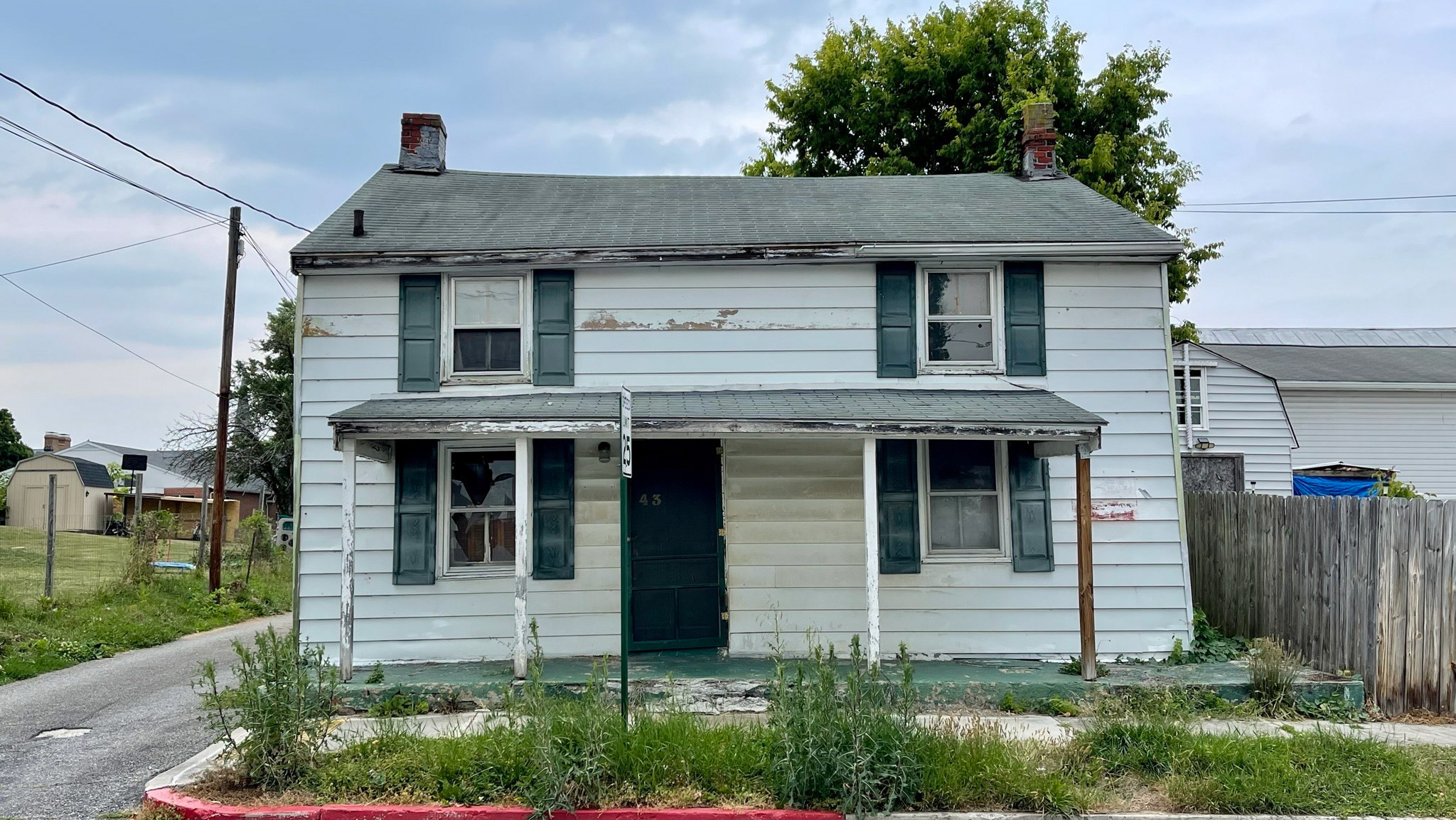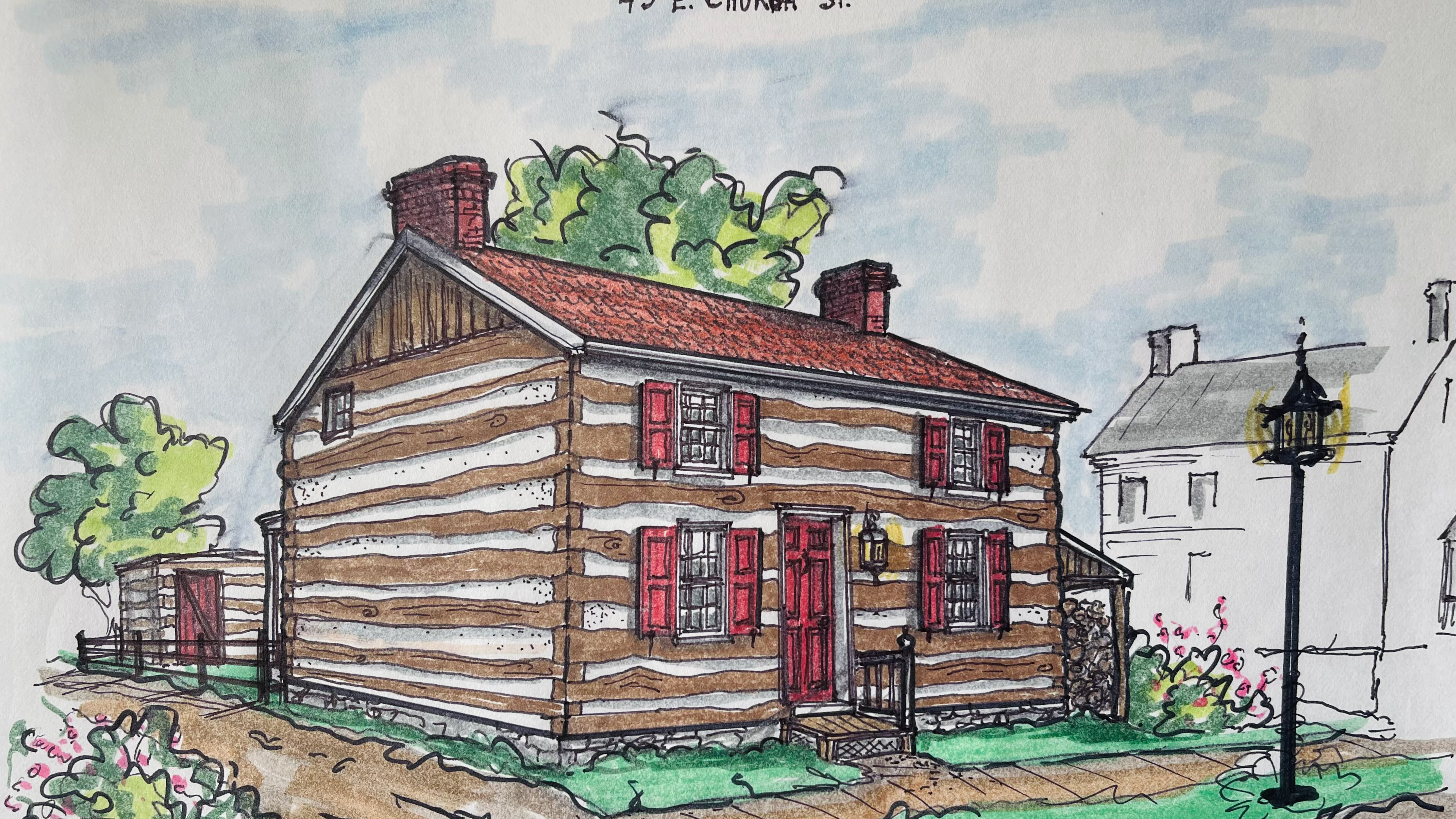
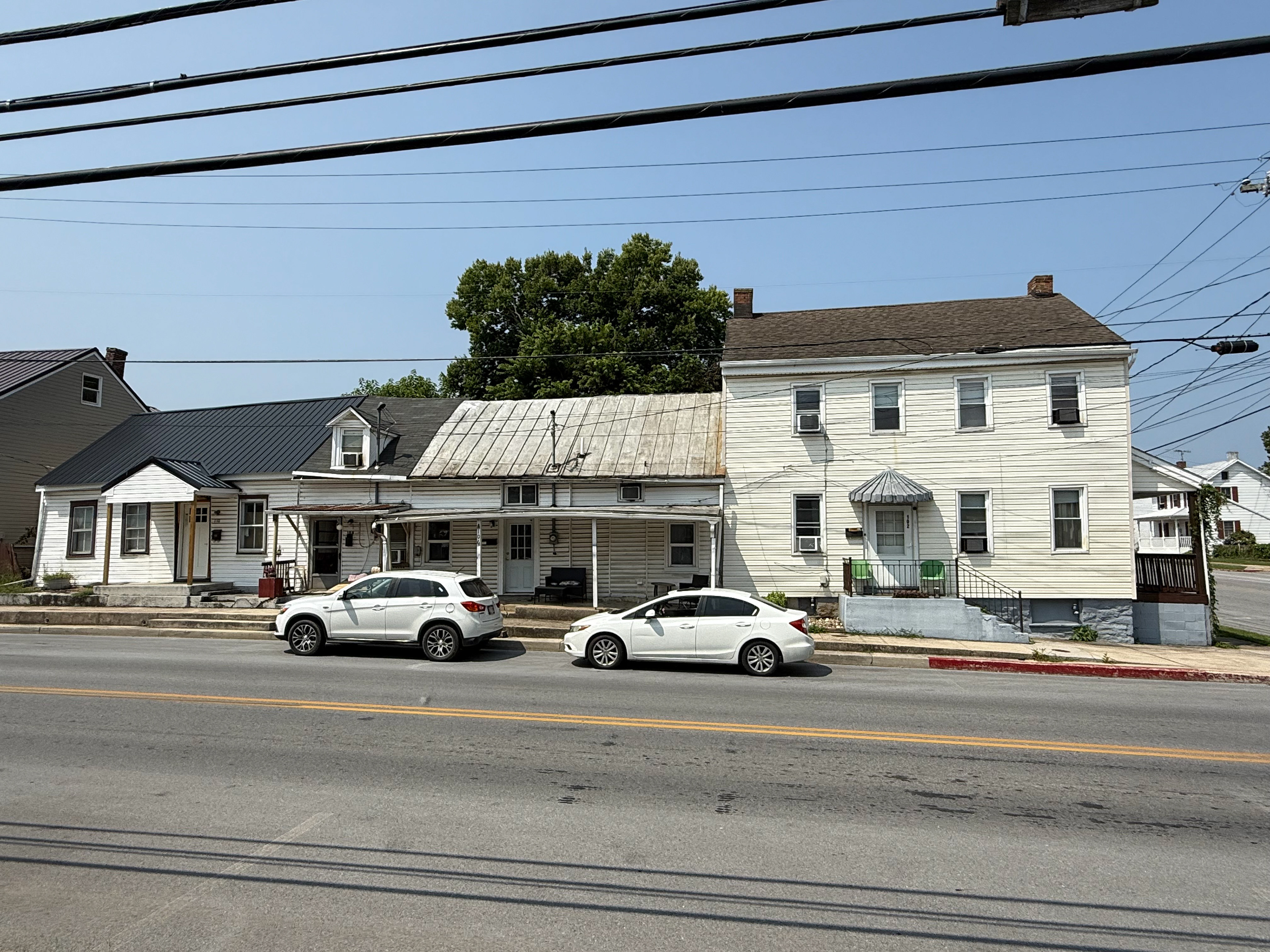
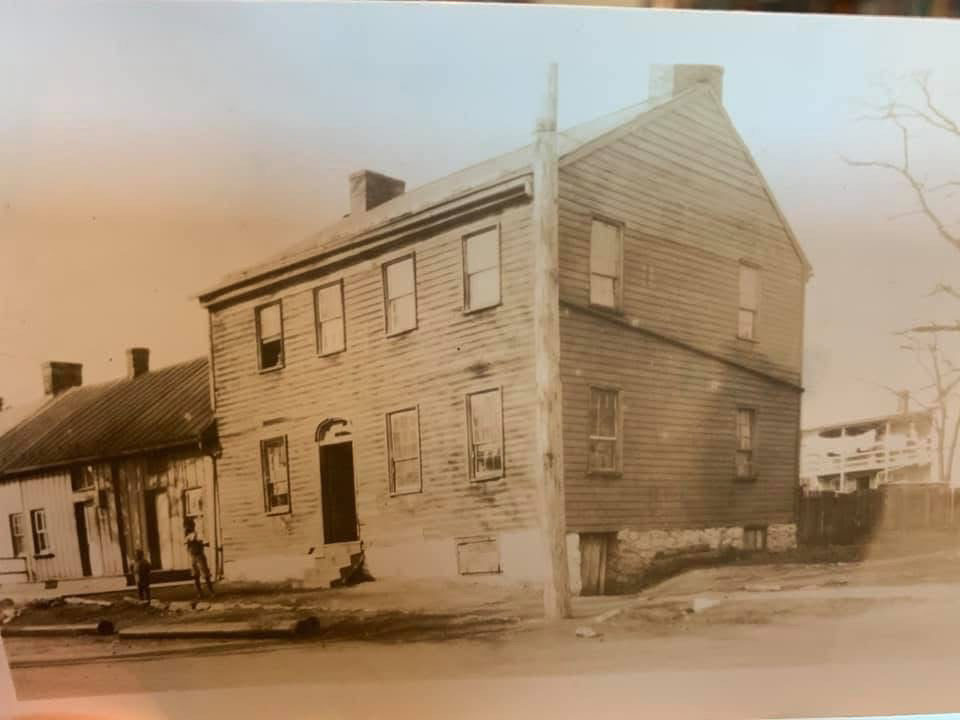
A large, four-bay log house rises nearly three stories high on sturdy limestone foundations at the southwest corner of East Church and South Artizan Streets. Today, a 1950s metal awning hides the elegant original Federal-style fanlight above the front door, and the log walls lie buried beneath layers of later siding — first German-style weatherboard, then vinyl.
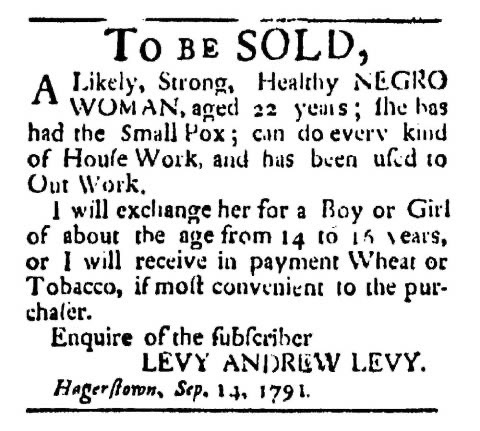
The property, original Lot 164, was first leased in 1790 by General Otho Holland Williams to Levy Andrew Levy (1734–1829), a Jewish immigrant from England who had settled in Lancaster, Pennsylvania. Born in England in 1734, Levy came to the Pennsylvania Colony with his family in the late 1730s or early 1740s. He and his wife, Susannah, established a trading post in Lancaster and later opened another near Hagerstown, dealing with both settlers and Native Americans.
A surviving 1761 letter from Levy to Benjamin Franklin describes his trade with Native Americans and other business ventures in Lancaster and the Western Maryland frontier. But in 1763, tragedy shadowed his name. Levy and his brother-in-law, David Franks, sold blankets and goods to British officers at Fort Pitt during a siege by Shawnee, Mingo, and Delaware tribes led by the famed Chief Pontiac. At the time, a smallpox epidemic had broken out at the fort. In one of history’s most infamous acts of biological warfare, Captain Simeon Ecuyer gave the besieging tribes blankets and other items infected with smallpox — a deliberate attempt at genocide.
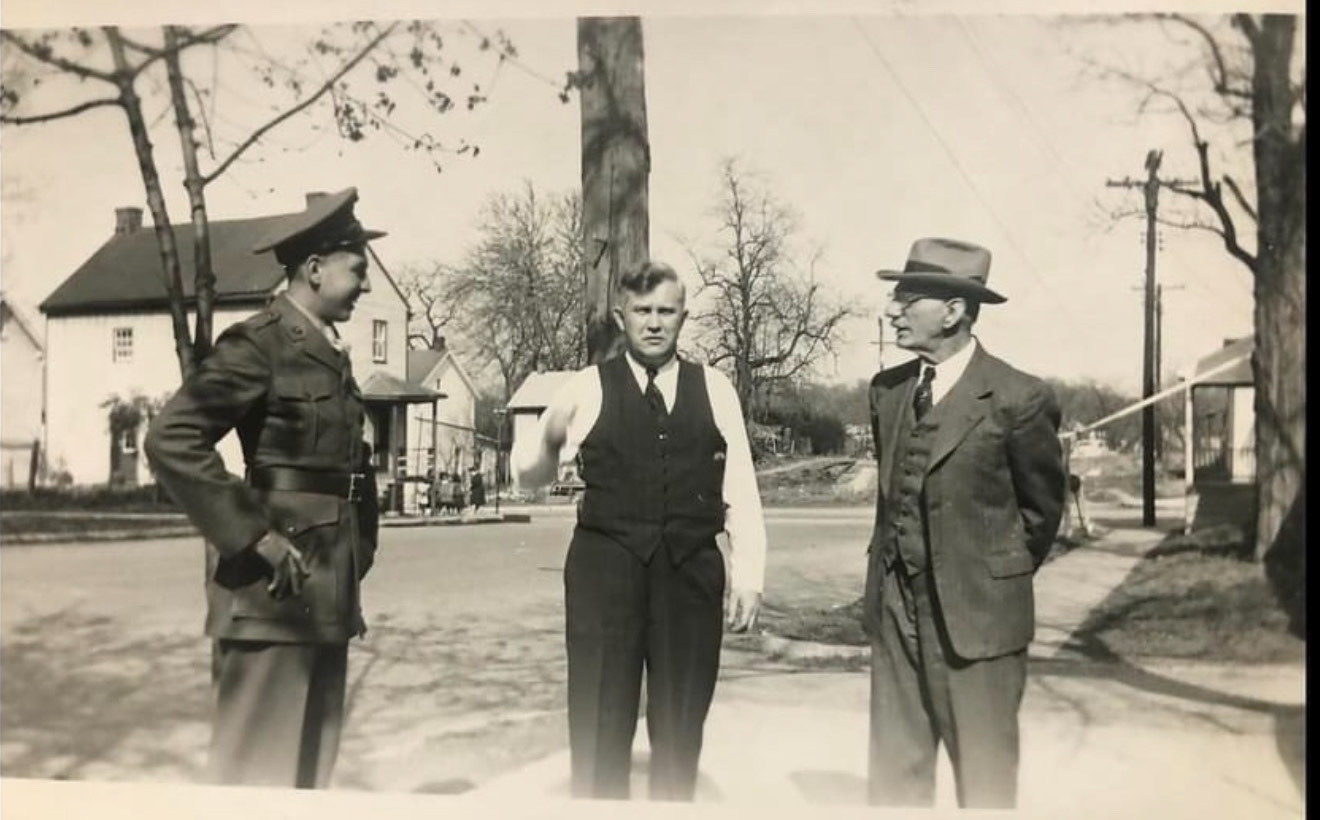
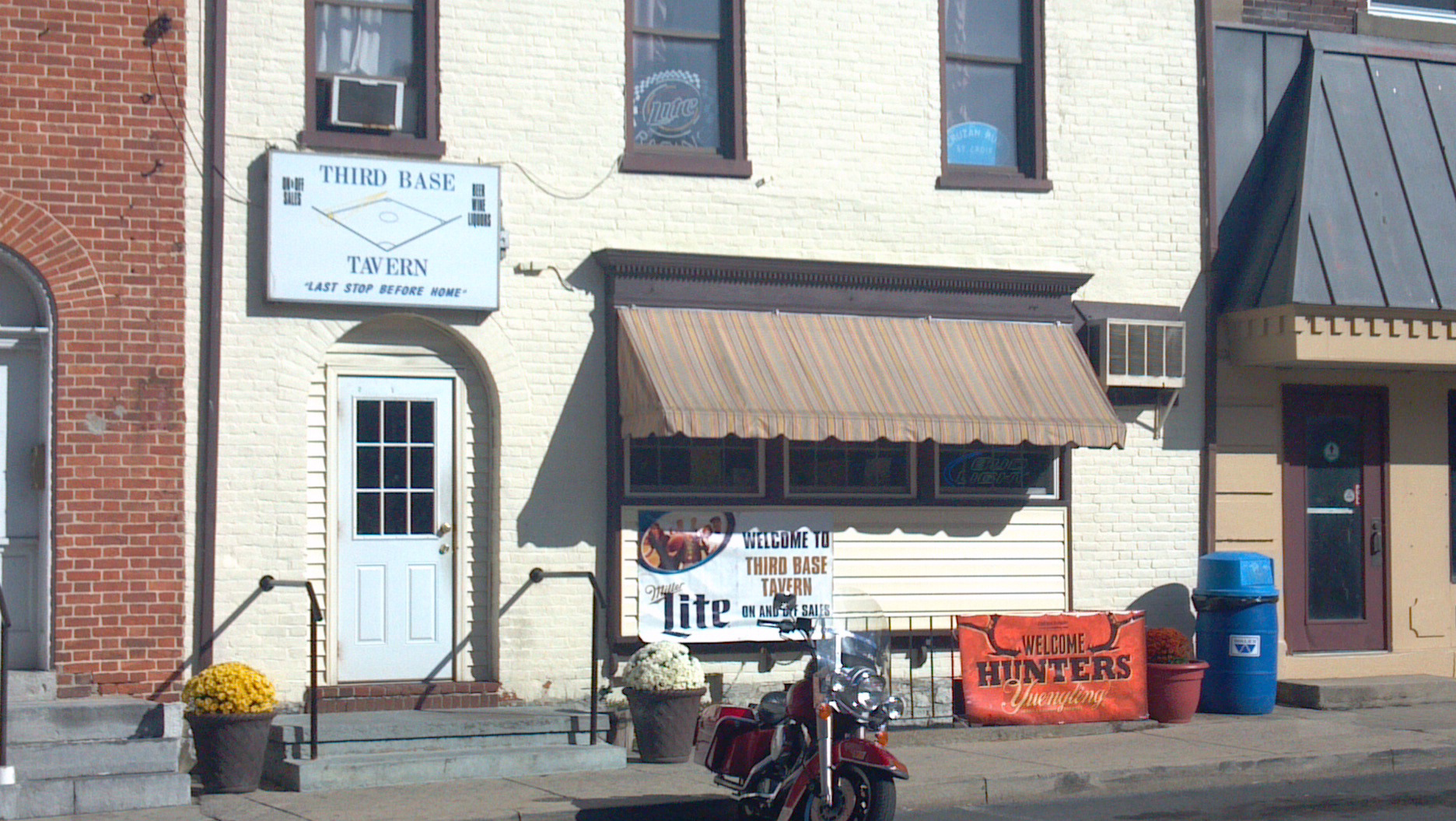
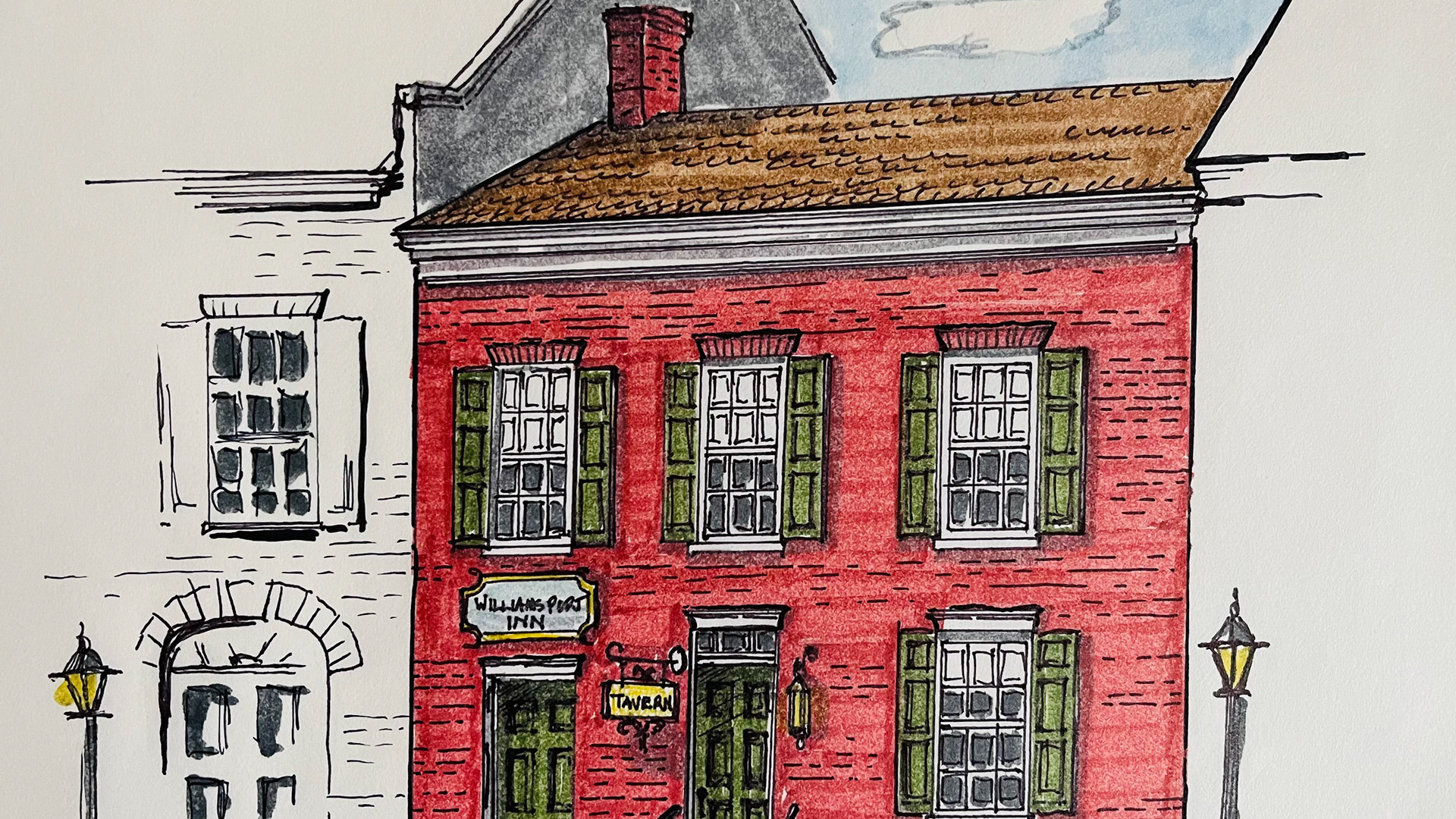
Local lore holds that the basement of the house, with an entrance directly off the street, served as Williamsport’s first official tavern. In 1811, the property was sold to John Crow, who is believed to have built the addition along Artizan Street. By the mid to late 19th century, the neighborhood had become home to many freed and escaped slaves, most working along the canal or running shops and businesses on Artizan. Churches and schools for the community rose between the 1840s and 1870s, anchoring a thriving and self-sustaining neighborhood.
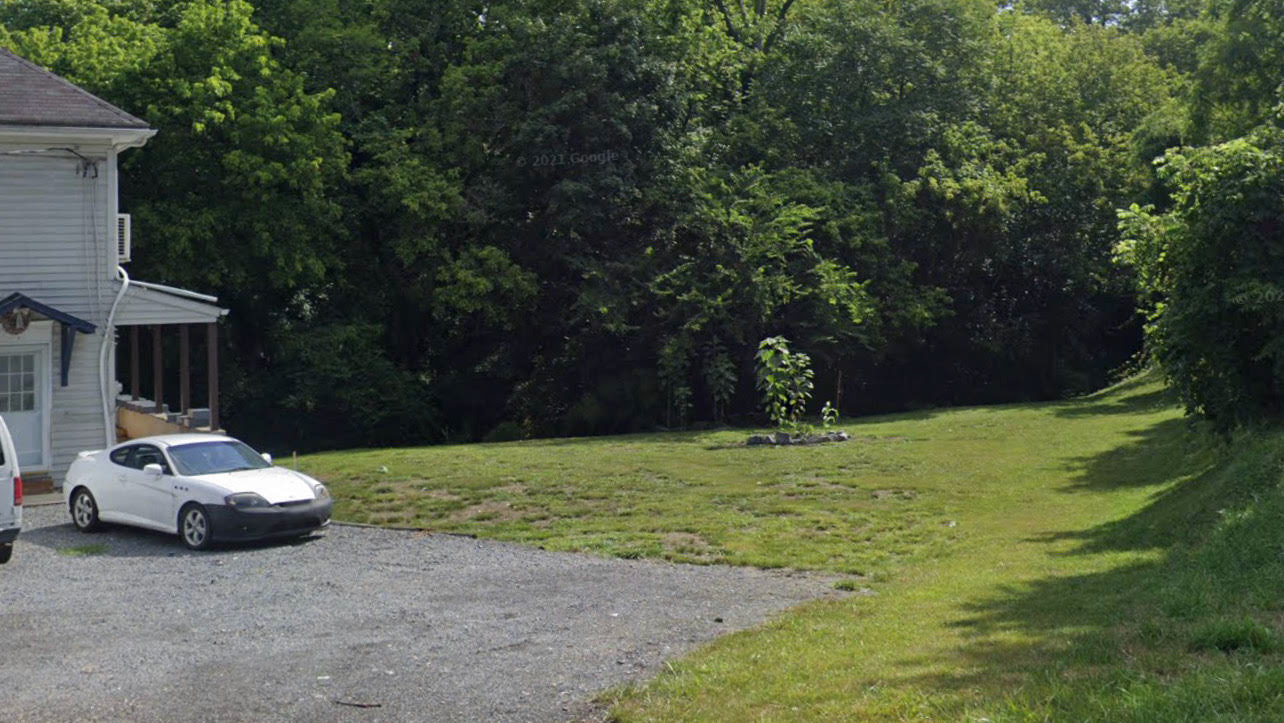
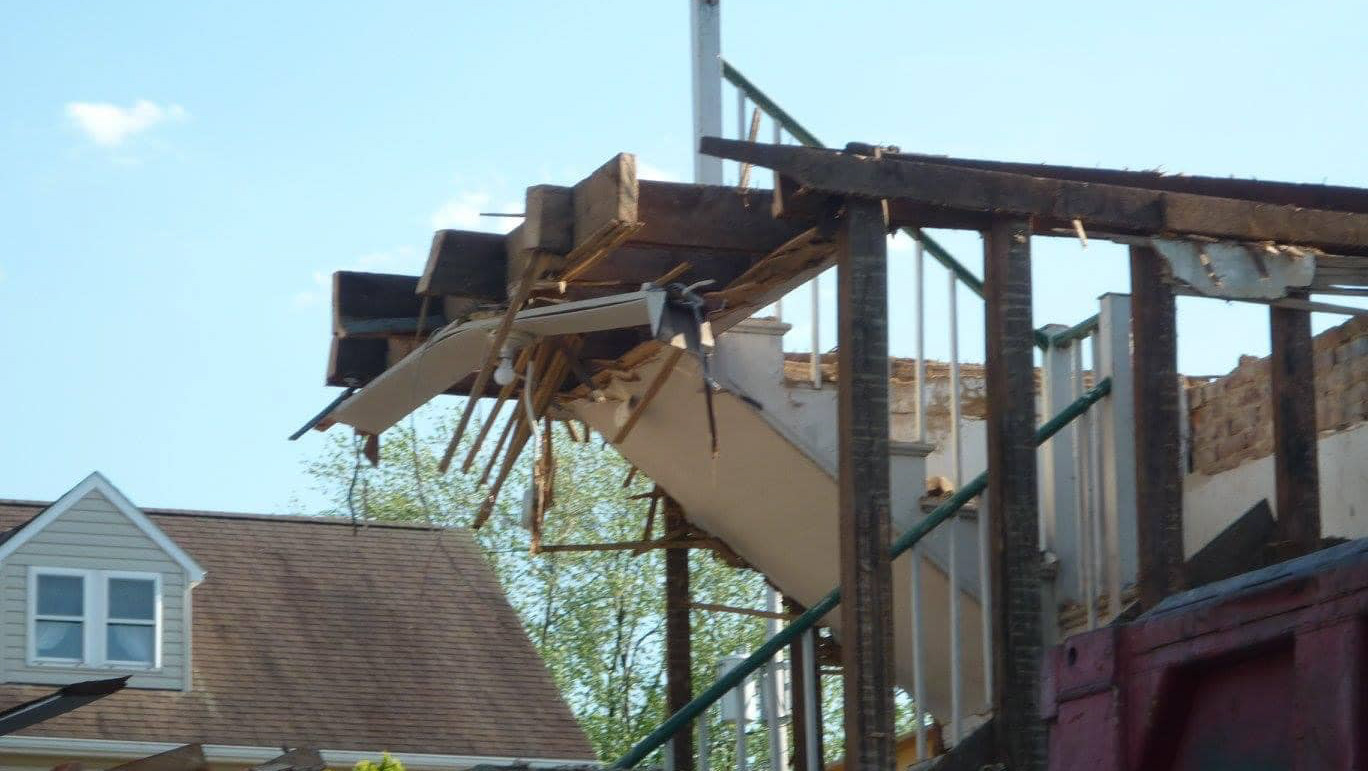
Today, the house remains a private residence. Williamsport’s historic built environment is a treasure — but one that is fragile. We have many historic buildings and sites to enjoy, but none to spare.